










CodaBow vs. Musing: A Comparative Look at Carbon Fiber Violin Bows
In the evolving world of string instrument accessories, carbon fiber bows have emerged as a durable and reliable alternative to traditional wooden ...
Read more
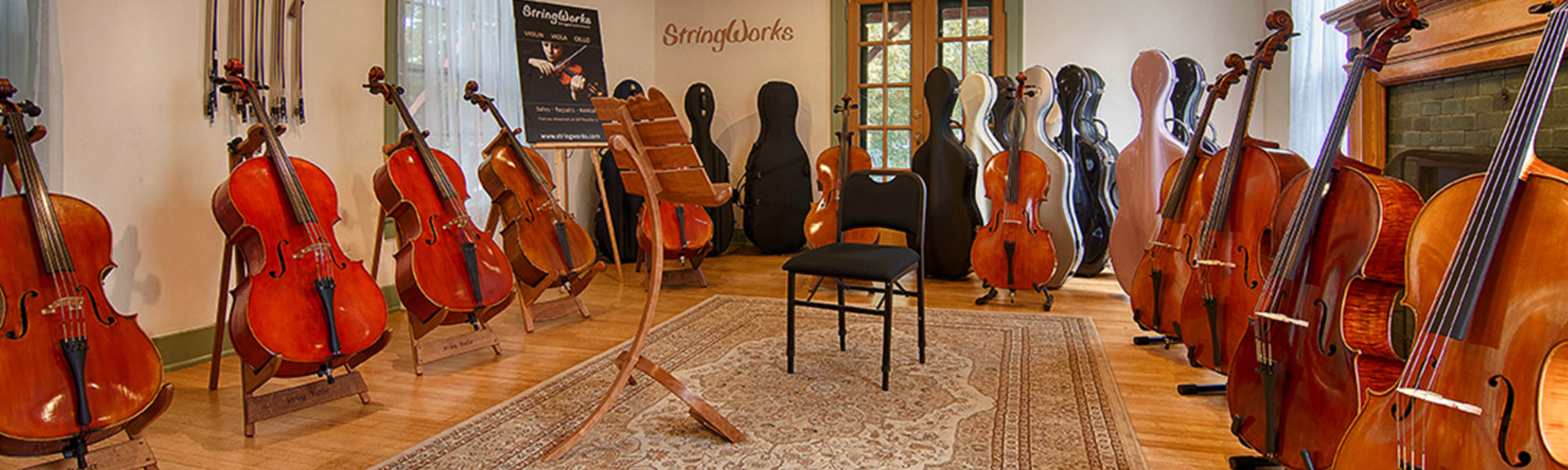
Celebrating our 25th Year! At StringWorks,we have been operating for nearly three decades as a small family-owned shop. Each member of our staff has decades of experience playing and servicing stringed instruments, and we’re most known for our world class customer service that makes our customers feel at home. Most of our customers remain customers for life, and we hope you are the next in our long line of happy StringWorks string players!
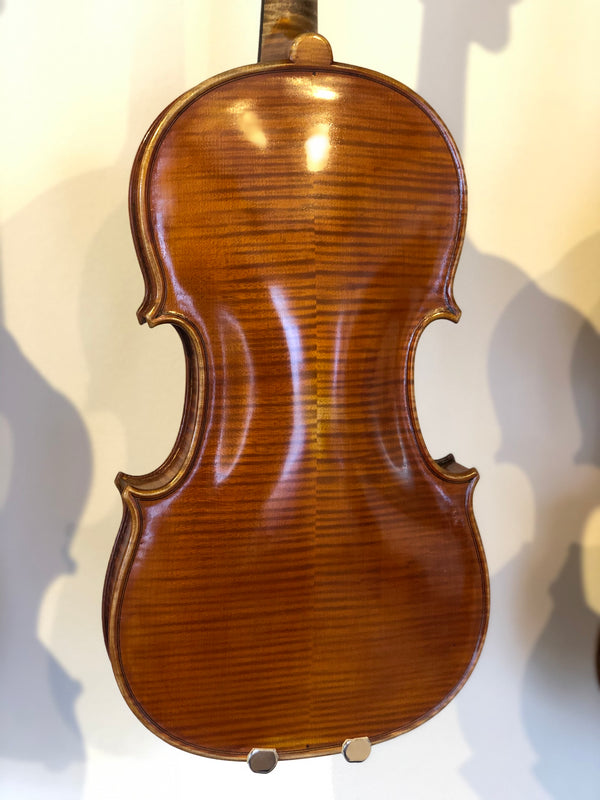
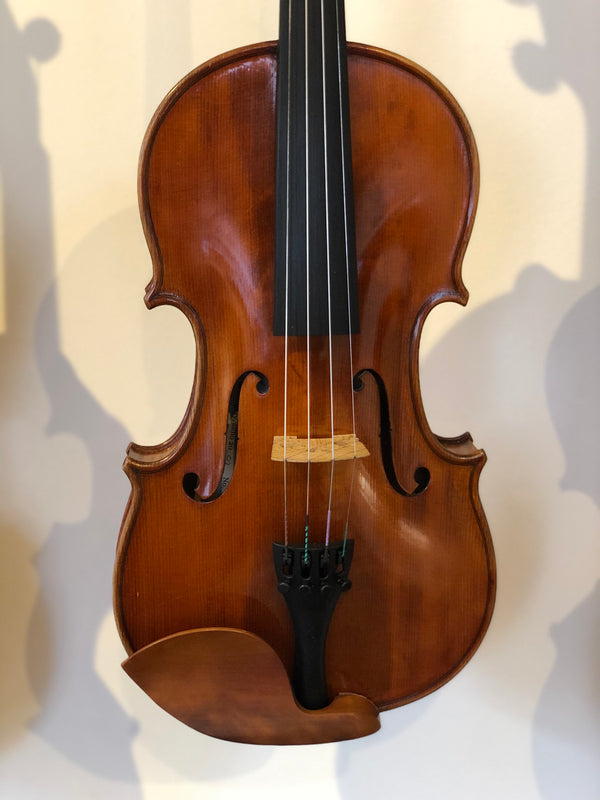
We complete the highest quality professional setup on all instruments sold through our online violin shop. The StringWorks Setup™ ensures your instrument feels right and sounds the best it can upon delivery, greeting you with your next musical partnership. StringWorks goes above and beyond the typical factory setups by spending 3-5 hours on every violin or viola we sell and 5-7 hours on each cello.
Beginner, intermediate and professional instruments receive the StringWorks Setup™ no matter their price point. We don’t settle on our least expensive instruments, and neither should you. Our skilled luthiers make sure your next purchase is an instrument you look forward to practicing, playing, and performing.
We offer a free 14-day in-home trial on each instrument purchase. That way, you can be sure you've found the perfect violin, viola or cello for your playing style, and have a chance to demonstrate it for your teacher, as well as play it in rooms most familiar to you. Some players choose to have us send multiple instruments on trial, so you have the opportunity to compare various instrument and bow combinations during that 14 day trial.
We personally select each instrument by hand from our workshops around the world to ensure each model fulfills our high standards for quality construction and playability. Our luthiers then give each violin, viola and cello that rests on our workbench the attention it needs to play and sound its best. Our discerning players on staff then play-test each instrument to ensure ideal playability, strings, and the perfect bow where needed. We've helped many thousands of players along their musical journeys, and we can't wait to help you, too.
As a small family-owned business, customer satisfaction is our top priority. We give extra attention to the finest details of every instrument to ensure our customers find the instrument of their dreams. To back our commitment to a great customer experience, we offer a comprehensive limited lifetime guarantee on all instruments Should an issue arise, we are committed to working with our players and families to find a solution that ensures everyone is happy with their instrument.
Upgrading your instrument is one of the most exciting parts of developing as a musician. When you're ready to choose a higher-level violin, viola or cello, your first trade-in with us earns you 100% of the instrument's original purchase price to use toward a new model. Subsequent trade-ups are eligible for 80% original value when upgrading to the same type of instrument.
Everyone who works at StringWorks has been playing their instrument for many years, some having played for 20 or more (far more than 10,000 hours!) We use our many decades of experience in the industry to provide recommendations for customers building relationships along the way. We carefully consider your requirements for stringed instruments and will find an instrument suitable for your experience level and playing goals.
At the same time, we make sure you never feel intimidated and are comfortable asking any questions as you navigate this amazing process! We take this responsibility seriously and are uniquely qualified to do so. Your experience at StringWorks sets a new standard for violin shops and purchasing something so personal.
StringWorks is more than an online violin, viola and cello shop – it is a respected brand in the bowed stringed instrument industry. We also partner with many other reputable brands in our industry, such as CodaBow, D’Addario, Larsen, Thomastik, Despiau, and New Harmony. Our experts become your personal shoppers for instrument upgrades ensuring full transparency with every purchase. We look forward to welcoming you to the StringWorks family.
For more on the products and services available at StringWorks, get in touch today!
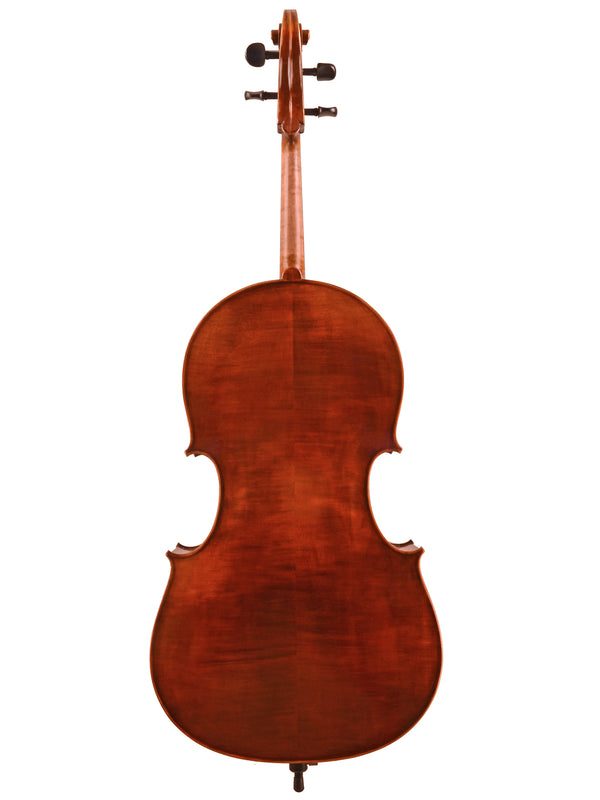
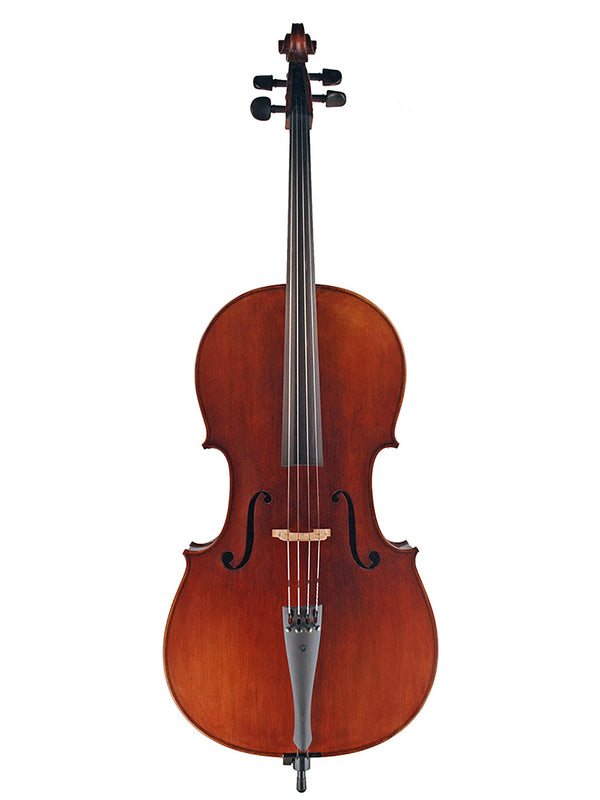
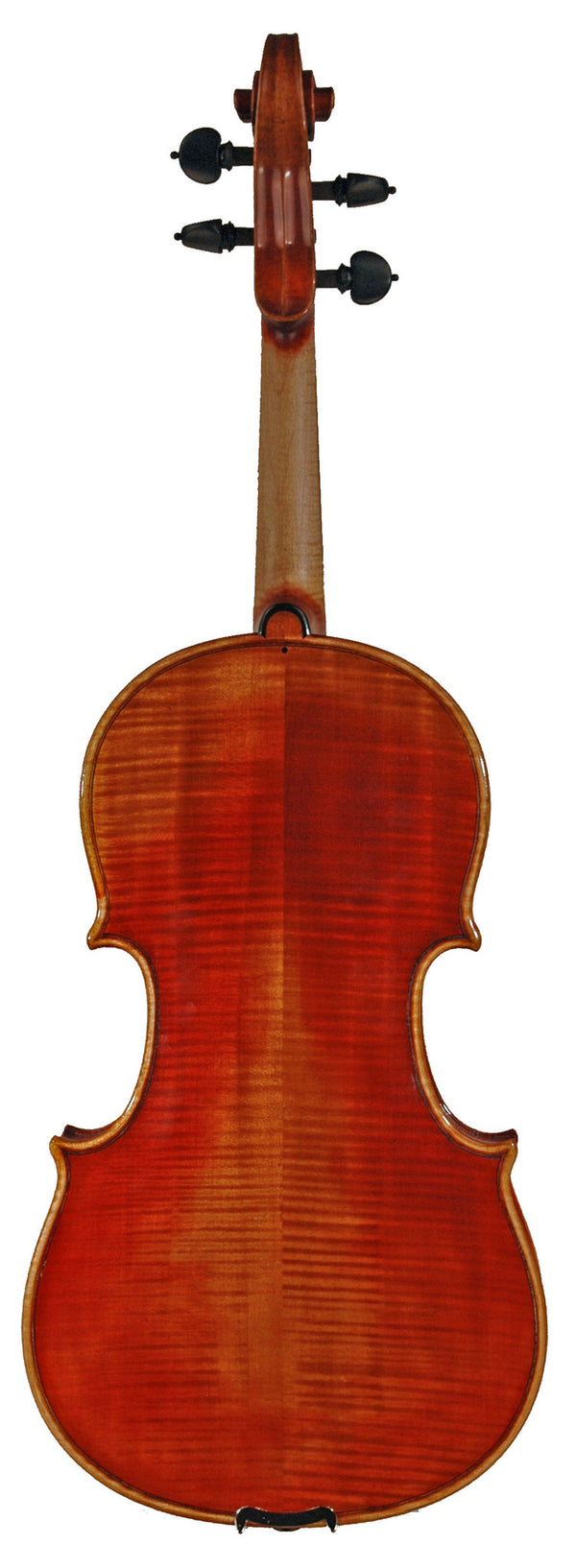
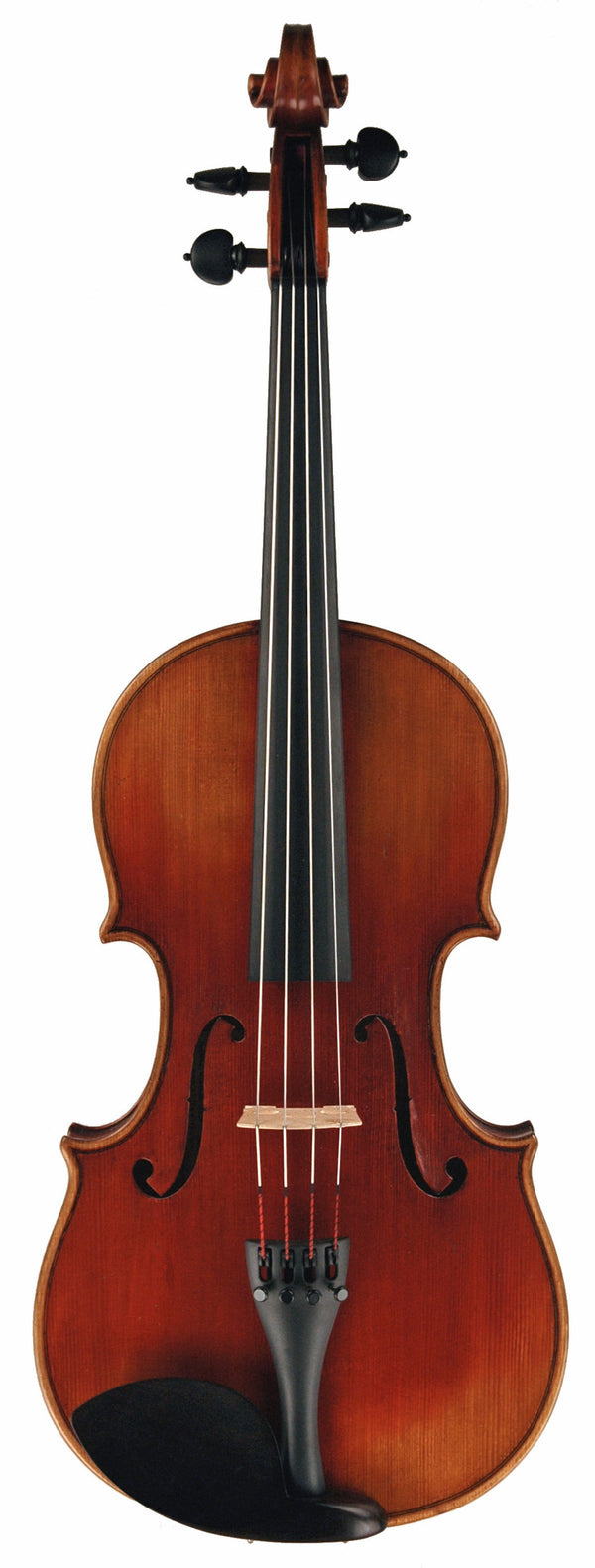
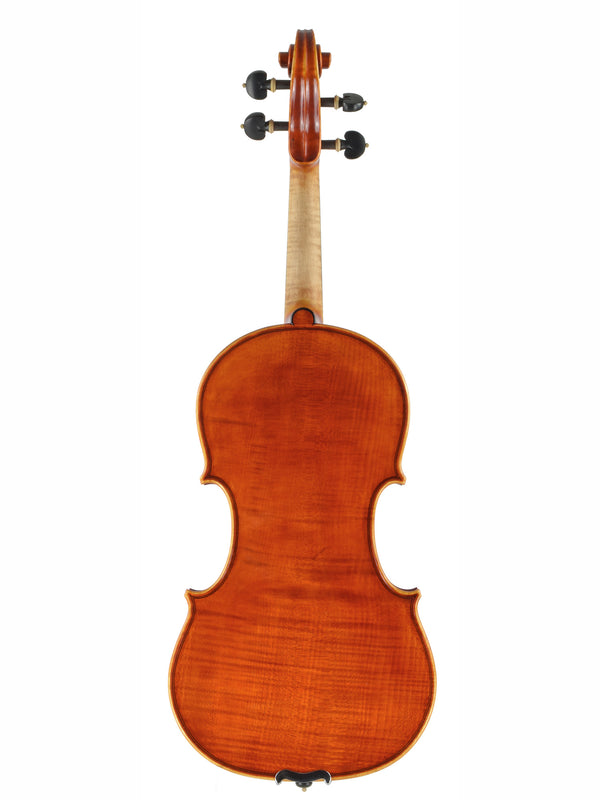
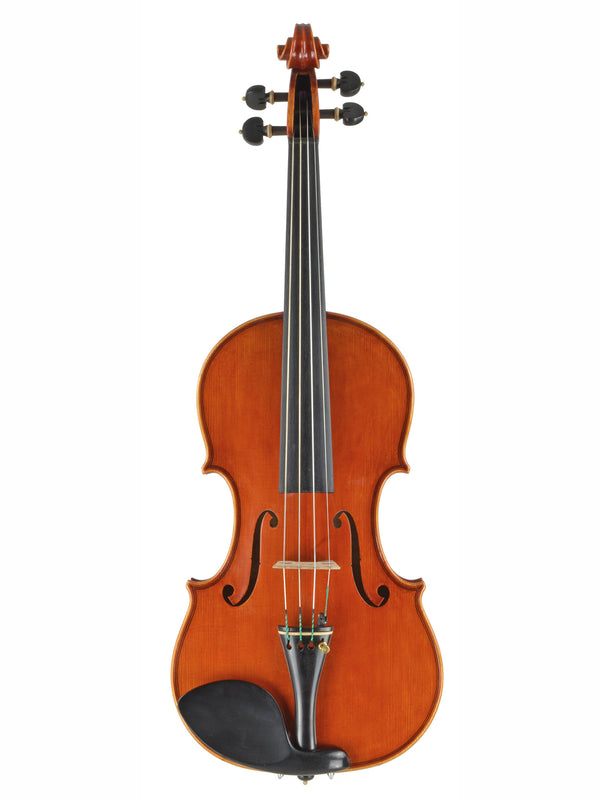
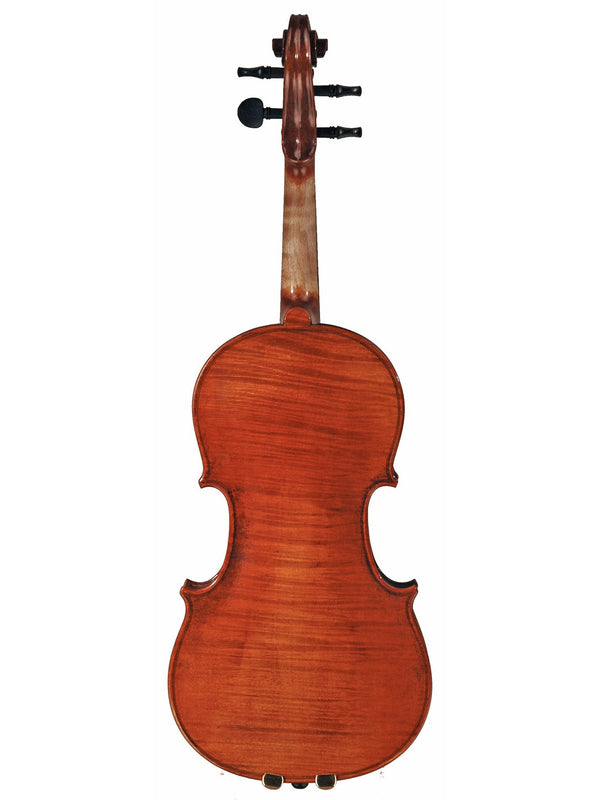
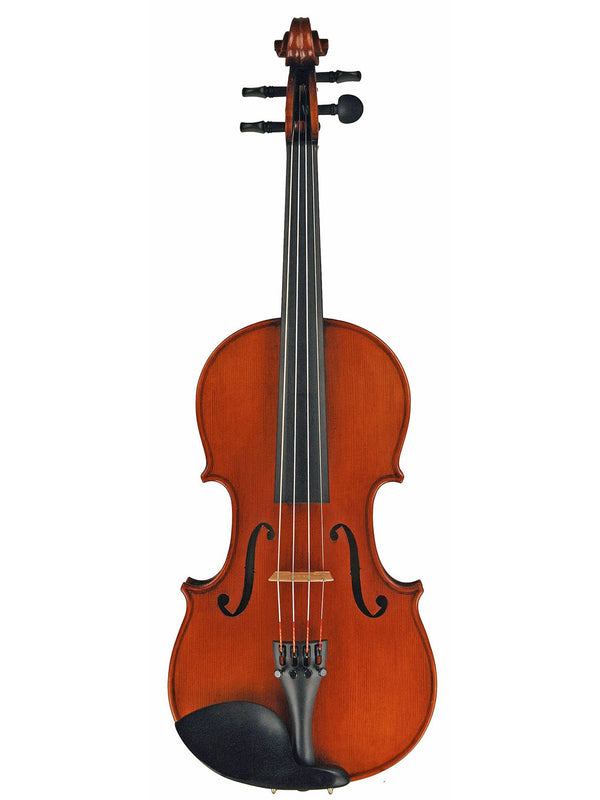


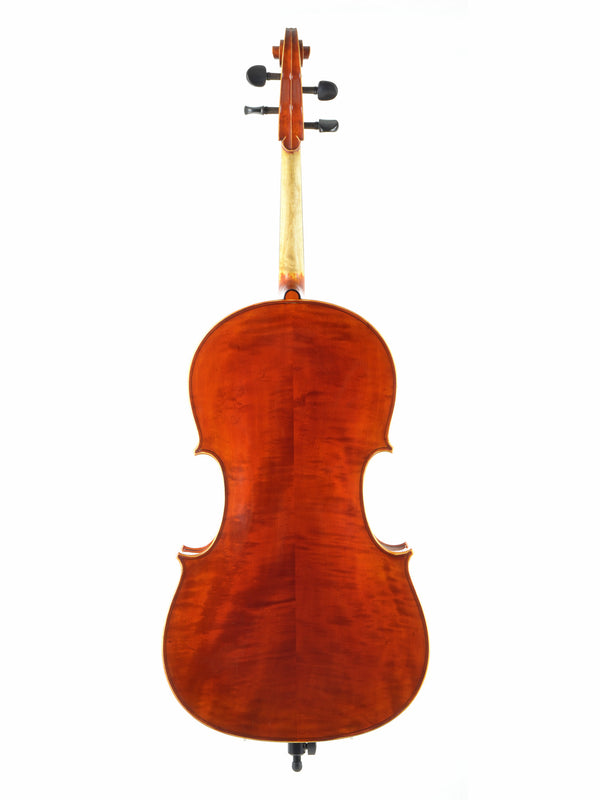
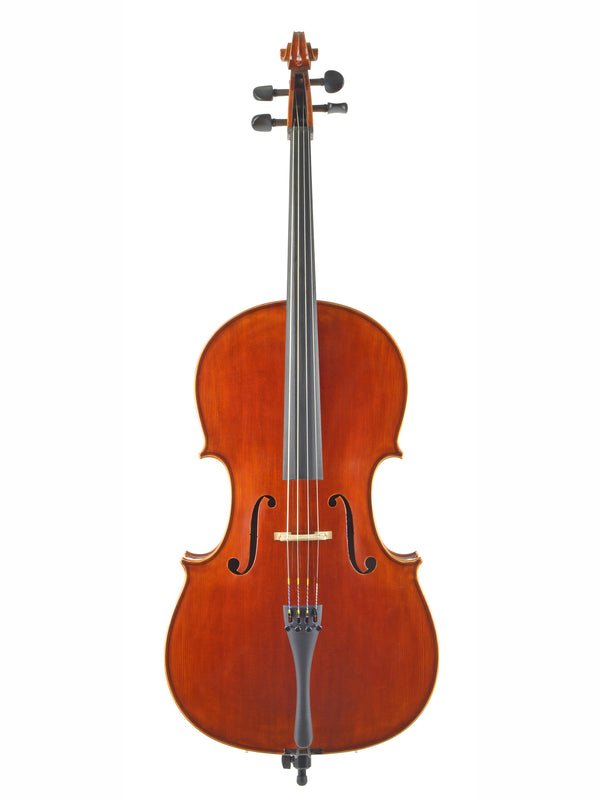
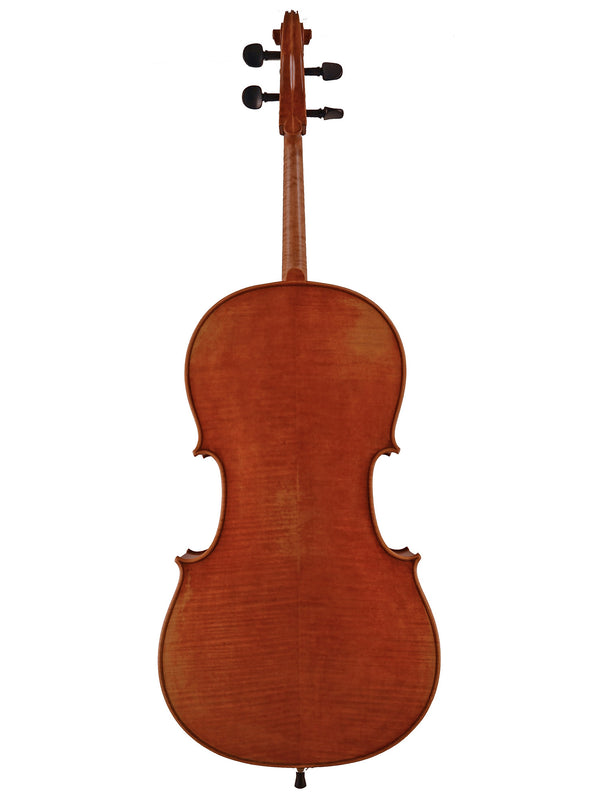
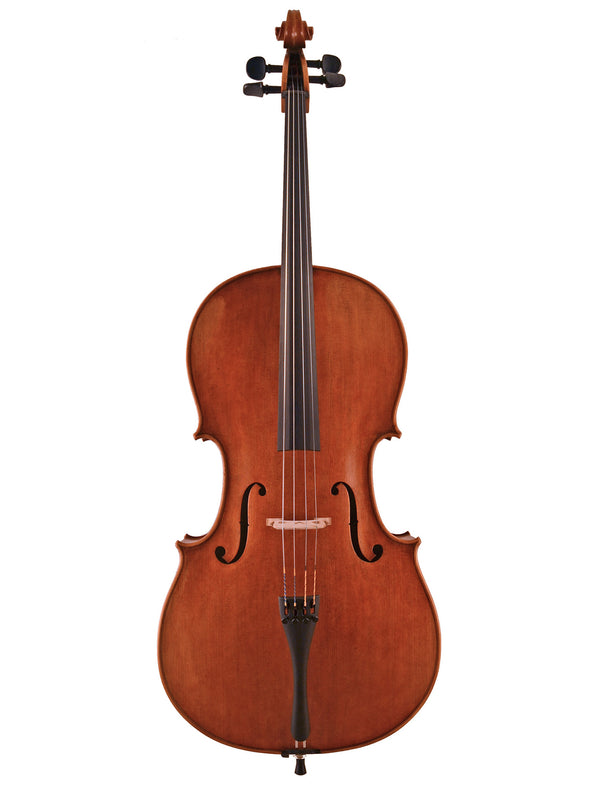
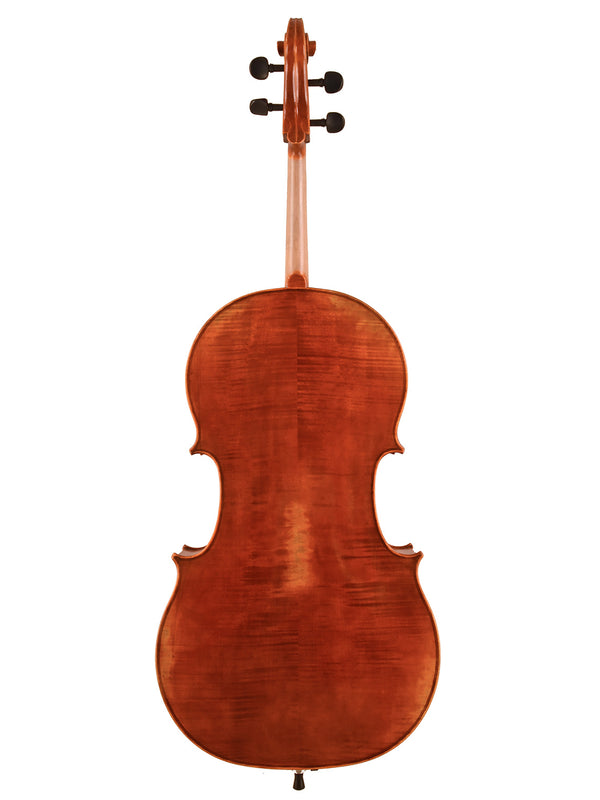
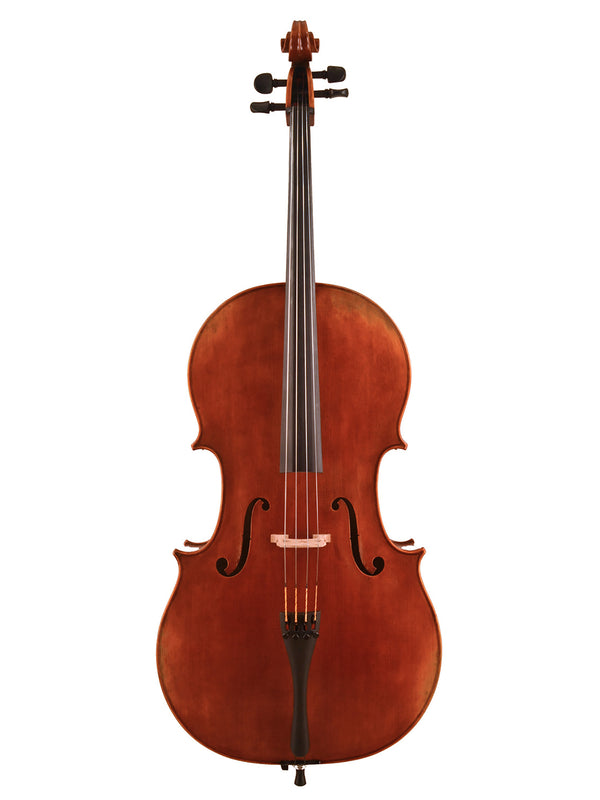
At StringWorks, we spend 3-5 hours per violin/viola, and 5-7 hours per cello on setup - no matter what.


In the evolving world of string instrument accessories, carbon fiber bows have emerged as a durable and reliable alternative to traditional wooden ...
Read moreAt StringWorks, we’ve long considered switching to a “free shipping” model like many other retailers. But here’s the truth: shipping is never truly...
Read more


