

Instrument Buying: The 6 Biggest Mistakes String Players Make
After nearly three decades of helping musicians find their perfect instruments, we've witnessed countless players make the same costly errors when purchasing violins, violas, and cellos. These mistakes can mean the difference between a rewarding musical journey and frustration that leads to giving up entirely. Here are the six most critical mistakes to avoid when buying your next string instrument.
1. Prioritizing Price Over Setup Quality
The most devastating mistake we see is players choosing instruments based solely on price, ignoring the crucial factor of setup quality. A $2,000 cello with poor setup will play worse than a $1,000 cello with professional setup.
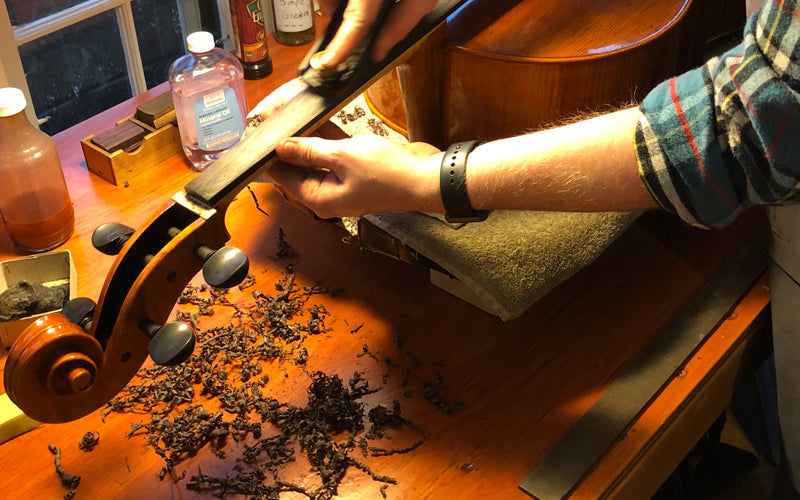
Setup isn't just "adjusting" an instrument – it's a complete transformation that requires 3-5 hours for violins and violas, and 5-7 hours for cellos. This meticulous process includes:- Precise bridge carving and placement
- Soundpost adjustment for optimal tone and response
- Precise fingerboard planing
- Nut height adjustment and string guides
- Peg fitting for smooth tuning
Without proper setup, even expensive instruments become frustrating to play. High action makes fingering difficult, poor bridge work creates wolf tones, and improperly fitted pegs won't hold tune. These issues don't just affect sound quality – they make practice miserable and progress nearly impossible.
The Solution: Always factor professional setup into your budget. When choosing between instruments, prioritize those from shops that include comprehensive setup rather than viewing it as an "extra" expense.
2. Buying from Non-Specialist Retailers
Perhaps no mistake causes more heartbreak than purchasing from general retailers or online marketplaces without string instrument expertise. We've written extensively about why buying from Amazon is almost always a terrible idea for string instruments.
These instruments typically arrive with:
- Bridge laid flat in the case (requiring professional installation)
- No soundpost adjustment
- Factory strings that sound metallic
- Cases that offer minimal protection
- Bows that won't hold rosin
What appears to be a "complete outfit" for $200 becomes a $500+ investment after necessary repairs and setup. Worse, many of these instruments feature laminated construction that can never produce quality tone, no matter how much additional work is done.
The Solution: Purchase from dedicated violin shops with professional musicians on staff who understand instrument anatomy and can provide ongoing support.
3. Choosing the Wrong Size
 Size mistakes plague adult beginners and young students alike. Parents often buy instruments children will "grow into," while adults assume they need full-size instruments regardless of their build. Both approaches lead to unnecessary struggle.
This is particularly critical for violists, where the size variations are more complex than simple fractional measurements. A 16.5" viola might be perfect for one player but cause injury for another of similar height.
The Solution: Get professionally measured before purchasing. Our complete sizing guide provides detailed instructions, but nothing replaces consultation with experienced professionals who can assess your unique physiology and playing style.
4. Ignoring the Try-Before-You-Buy Option
Choosing an instrument from photos and descriptions alone is like marrying someone you've only met online. Every instrument has its own personality, and what sounds beautiful to one player might feel wrong to another.
This mistake often stems from fear – fear of "bothering" shops with trials, fear of shipping, or fear of rejection if the instrument doesn't work out. But professional shops expect and encourage trials. The instrument that looks perfect online might have a neck shape that doesn't fit your hand, or produce a tone that doesn't match your musical vision.
The Solution: Take advantage of 14-day home trials. Play the instrument in your practice space, with your teacher, in your ensemble. Many players request multiple instruments for comparison – this is normal and encouraged.
5. Believing All Instruments Depreciate Like Cars
Many buyers treat instrument purchases like buying electronics – assuming immediate depreciation and zero resale value. This mindset leads to choosing the cheapest possible option, creating a false economy that costs more over time.
Here's what most shops won't tell you: Quality instruments from reputable makers actually appreciate in value. Want proof? Browse our pre-owned section and notice something remarkable – our used instruments sell for nearly the same price as new ones. Some of our older trade-ins are actually priced HIGHER than their original purchase price from years ago.
This isn't an accident. StringWorks instruments hold their value because they're:
- Properly constructed from quality tonewoods
- Professionally set up and maintained
- Backed by our reputation and ongoing support
- Part of our 100% trade-in program for your first upgrade
Compare this to a $500 Amazon violin that's worth perhaps $50 on the used market (if anyone will buy it at all). Or instruments from general music stores that lose 40-50% of their value the moment you leave the shop.
The Solution: Understand pricing tiers and view your purchase as an investment. When you buy a StringWorks instrument, you're not "spending" money – you're converting it into a liquid asset that happens to make beautiful music.
6. Rushing the Decision Without Expert Guidance

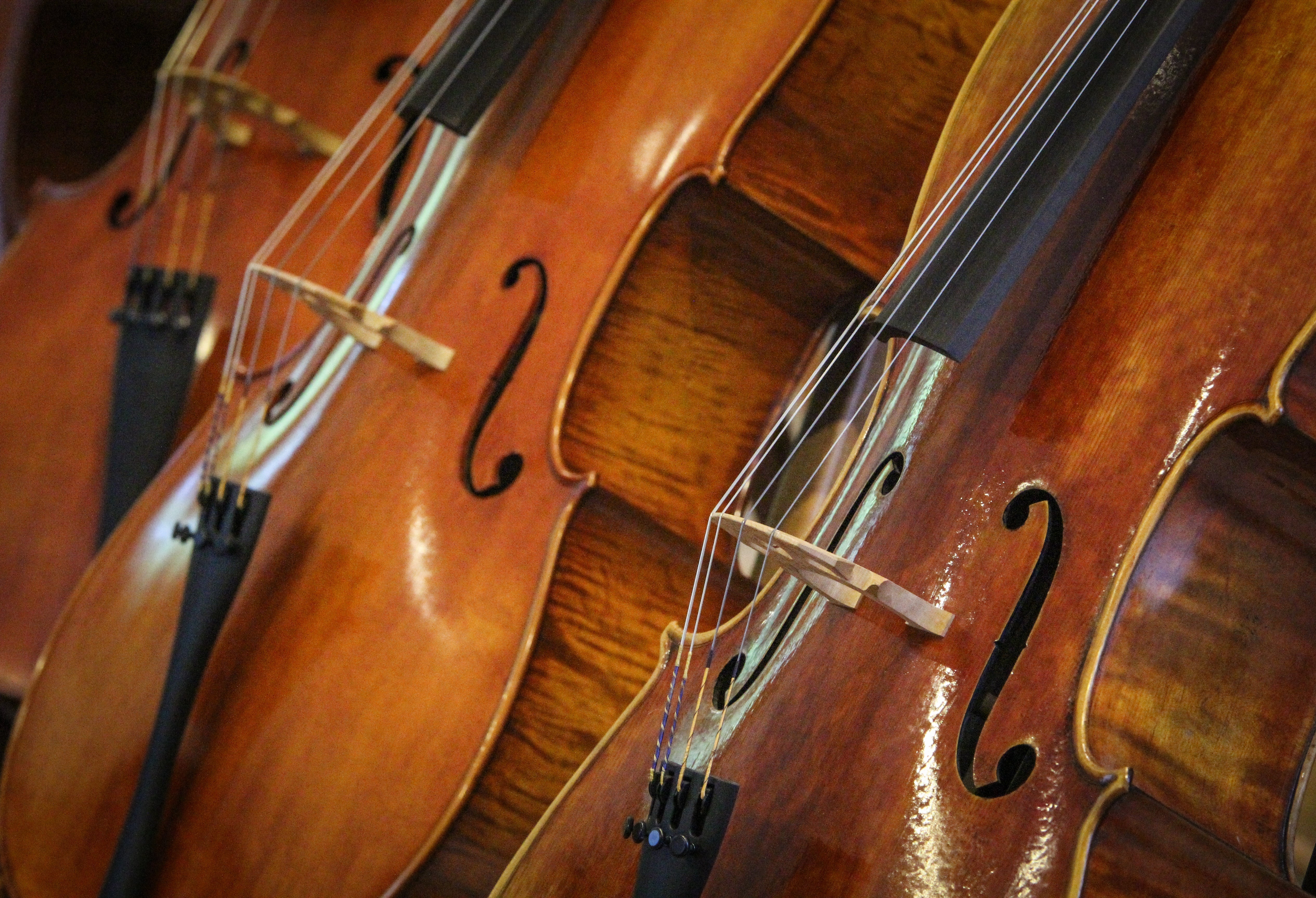
Every player is unique – your physical build, musical goals, playing style, and tonal preferences all matter. The cello that's perfect for an orchestral player might be wrong for someone focused on folk music. The violin that sounds beautiful to a beginner might lack the projection needed for advancing repertoire.
This is especially critical for "Super Beginners" – adults starting or returning to music. Your needs differ significantly from young students, requiring instruments that respect your musical maturity while accommodating adult learning patterns.
The Solution: Work with shops where professional musicians – people who've actually performed at high levels – can guide your selection. As a former LA Opera cellist, our founder understands the journey from beginner to professional. Our team provides honest, personalized guidance based on decades of collective playing and teaching experience.
Making the Right Choice
Avoiding these six mistakes transforms instrument buying from a minefield into an exciting milestone in your musical journey. The key is working with professionals who prioritize your long-term success over quick sales.
Remember: The "most expensive mistake" isn't investing in quality – it's buying any instrument that doesn't support your musical growth. Your instrument should inspire practice and hold its value for years to come.
Ready to find your perfect instrument? Our team of professional musicians and luthiers is here to guide you through the selection process, ensuring you avoid these common pitfalls. With our comprehensive setup, home trial program, and lifetime trade-in guarantee, we make sure your investment supports your musical growth for years to come.
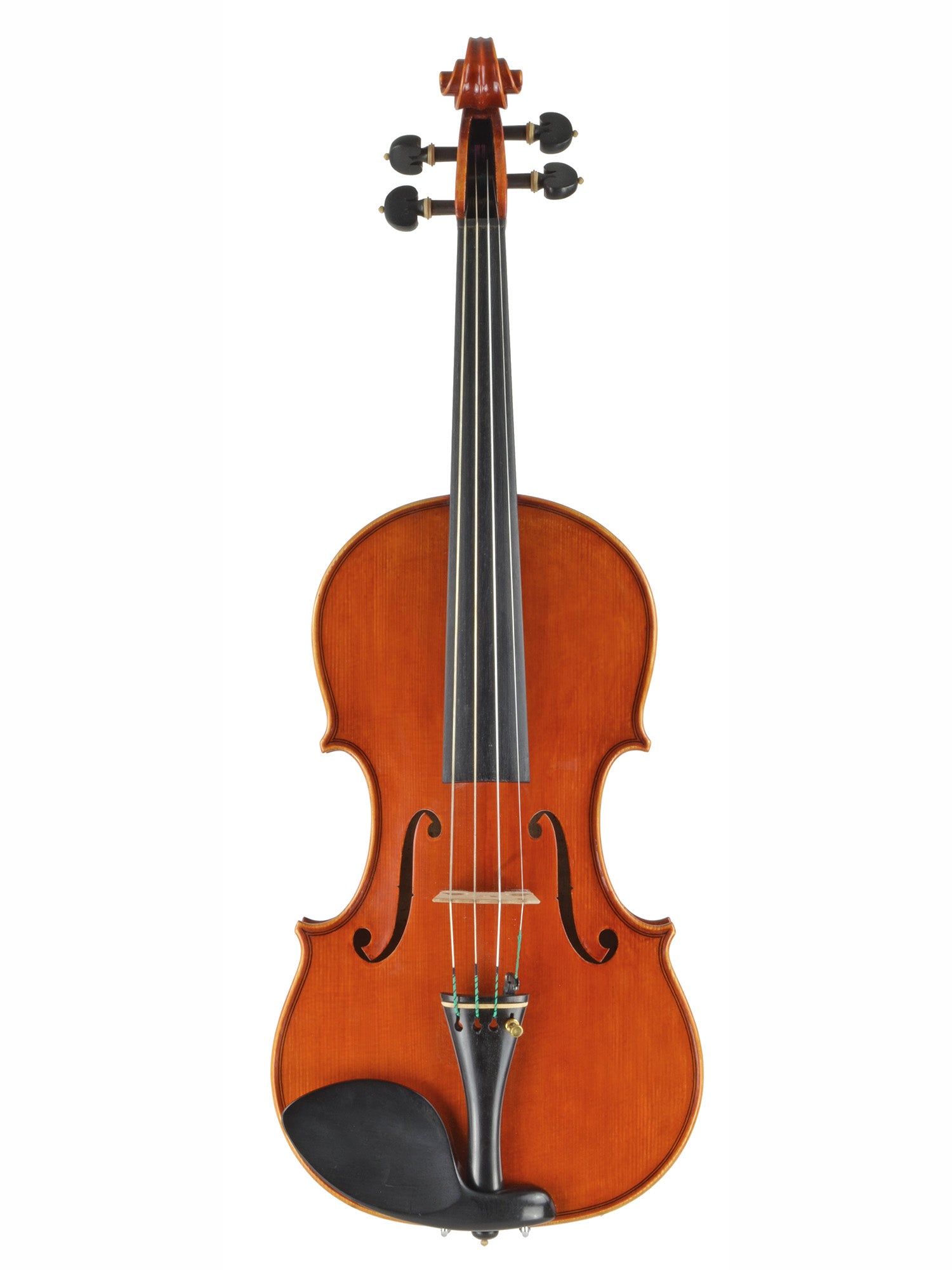
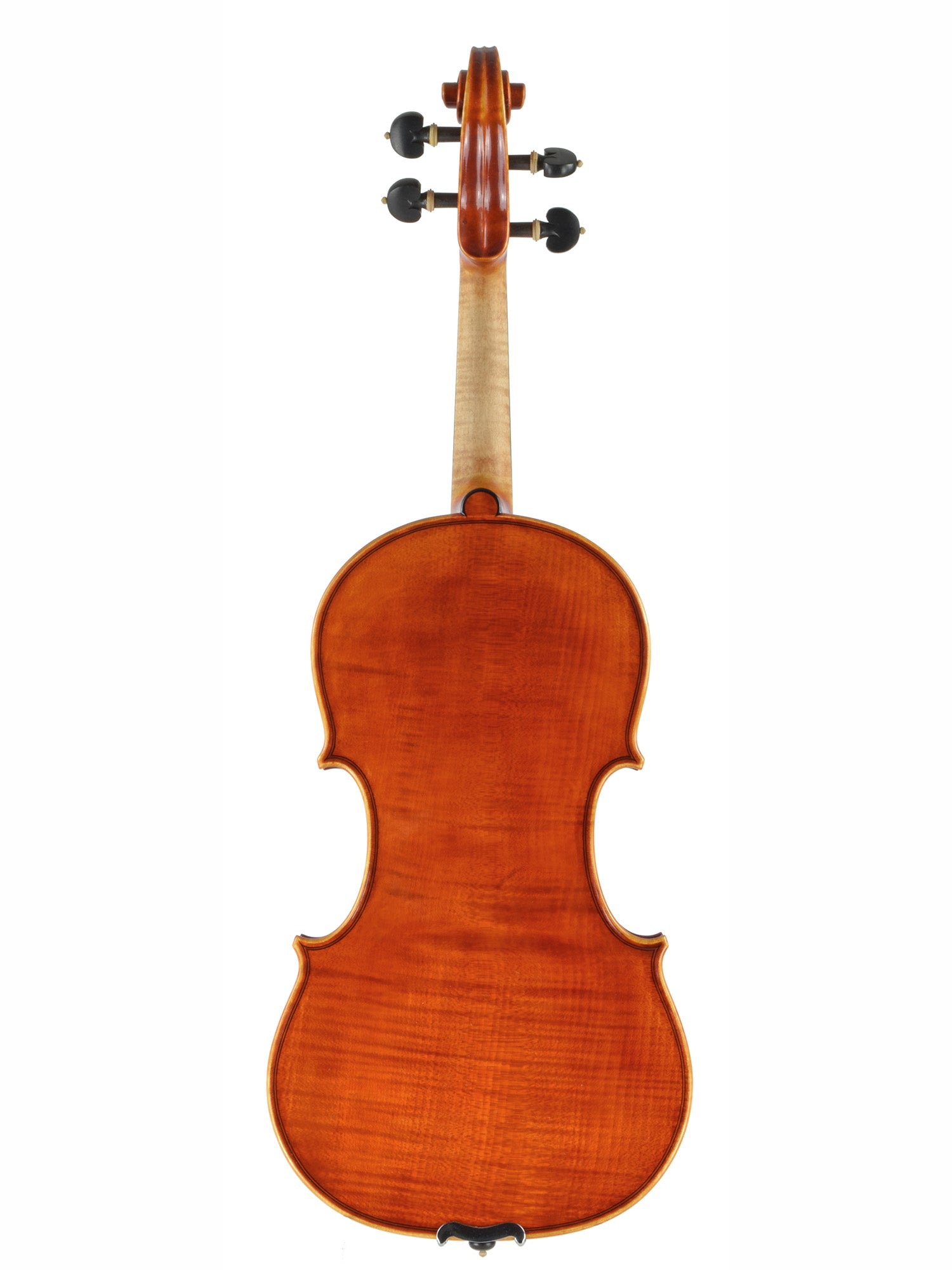
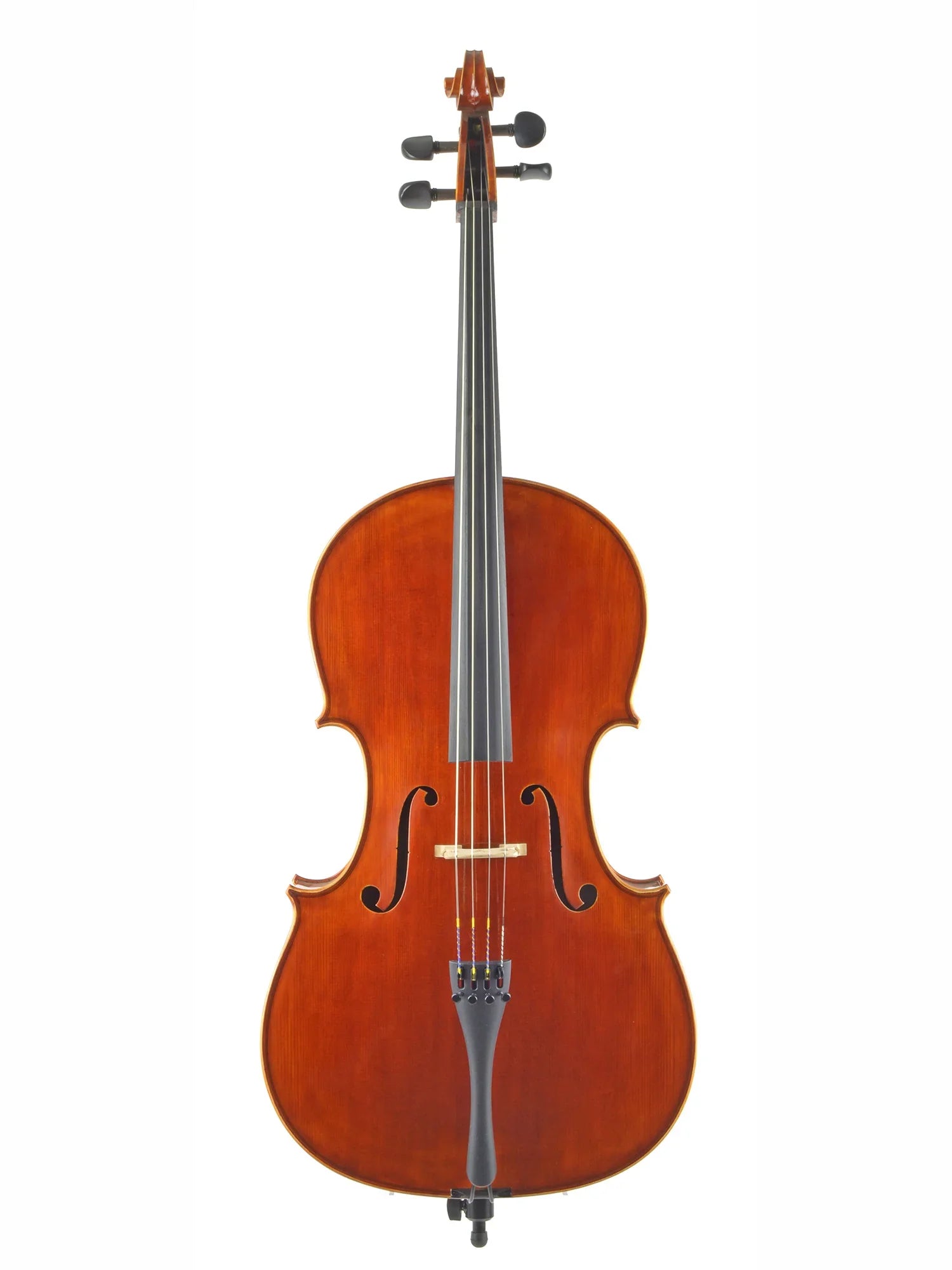
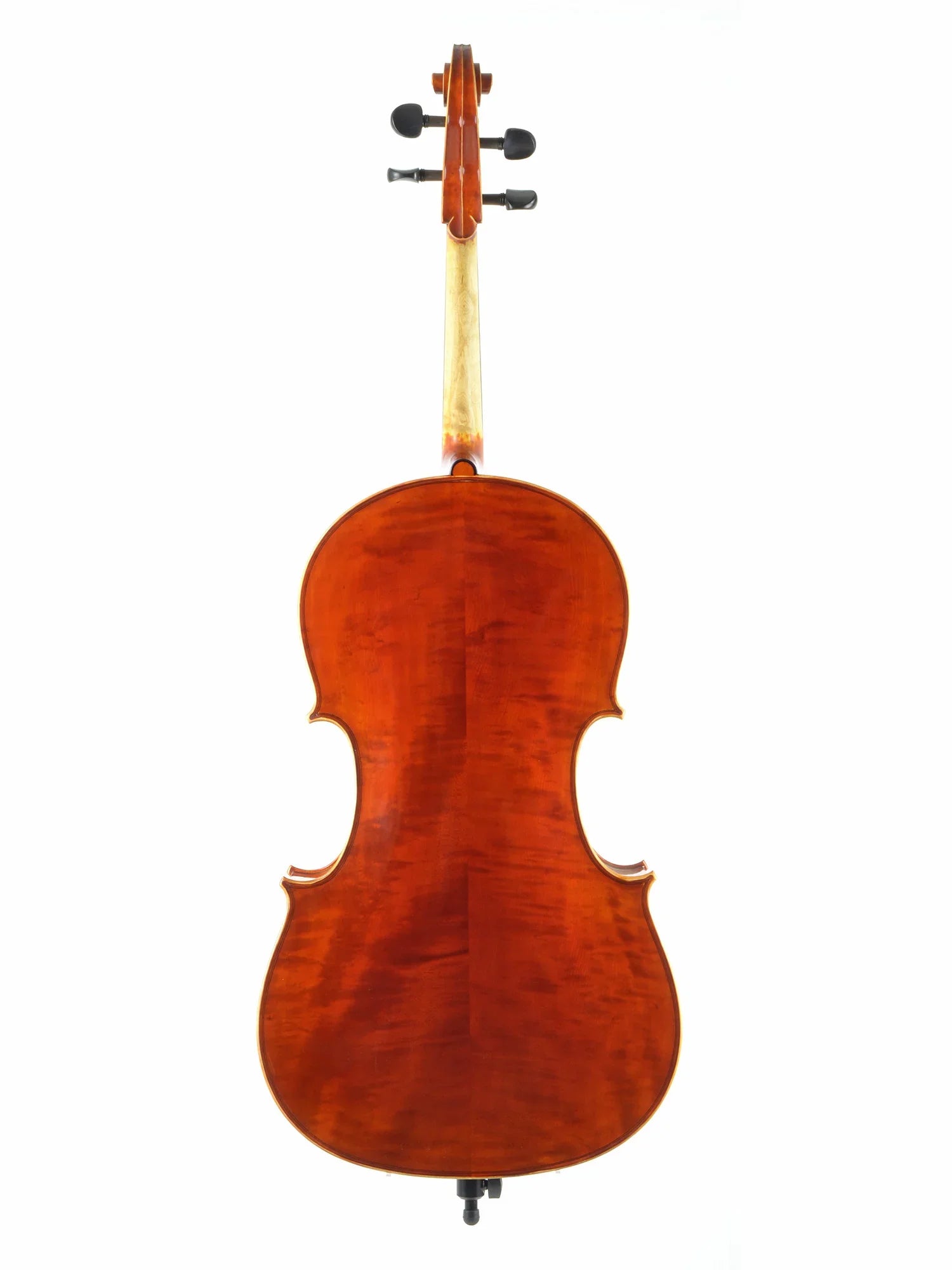
Explore our violin collection | Browse violas | Shop cellos
StringWorks has been helping musicians find their perfect instruments since 1997. Our founder, a former professional cellist with the LA Opera, understands the importance of matching players with instruments that inspire rather than inhibit their musical journey.






Leave a comment
This site is protected by hCaptcha and the hCaptcha Privacy Policy and Terms of Service apply.